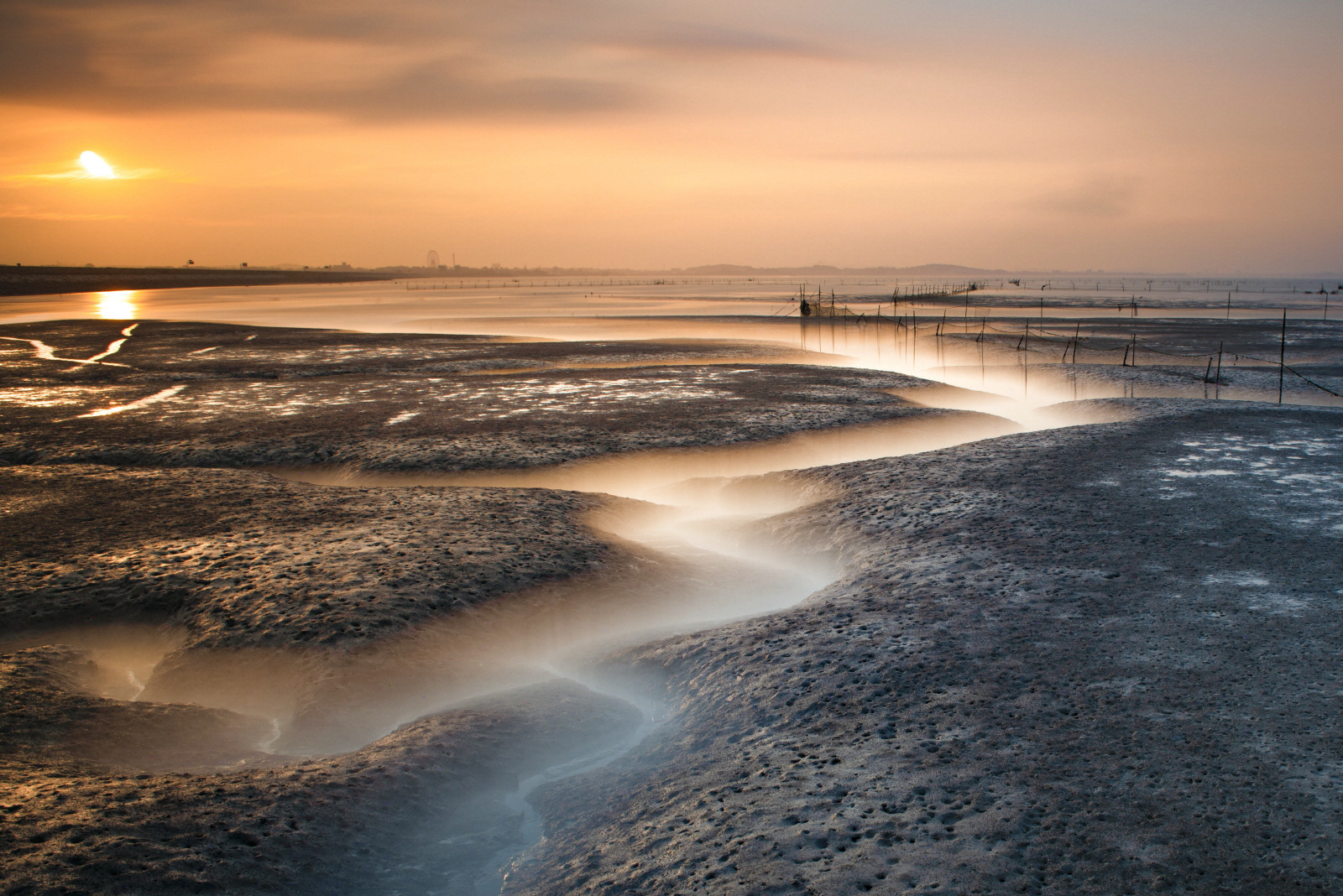
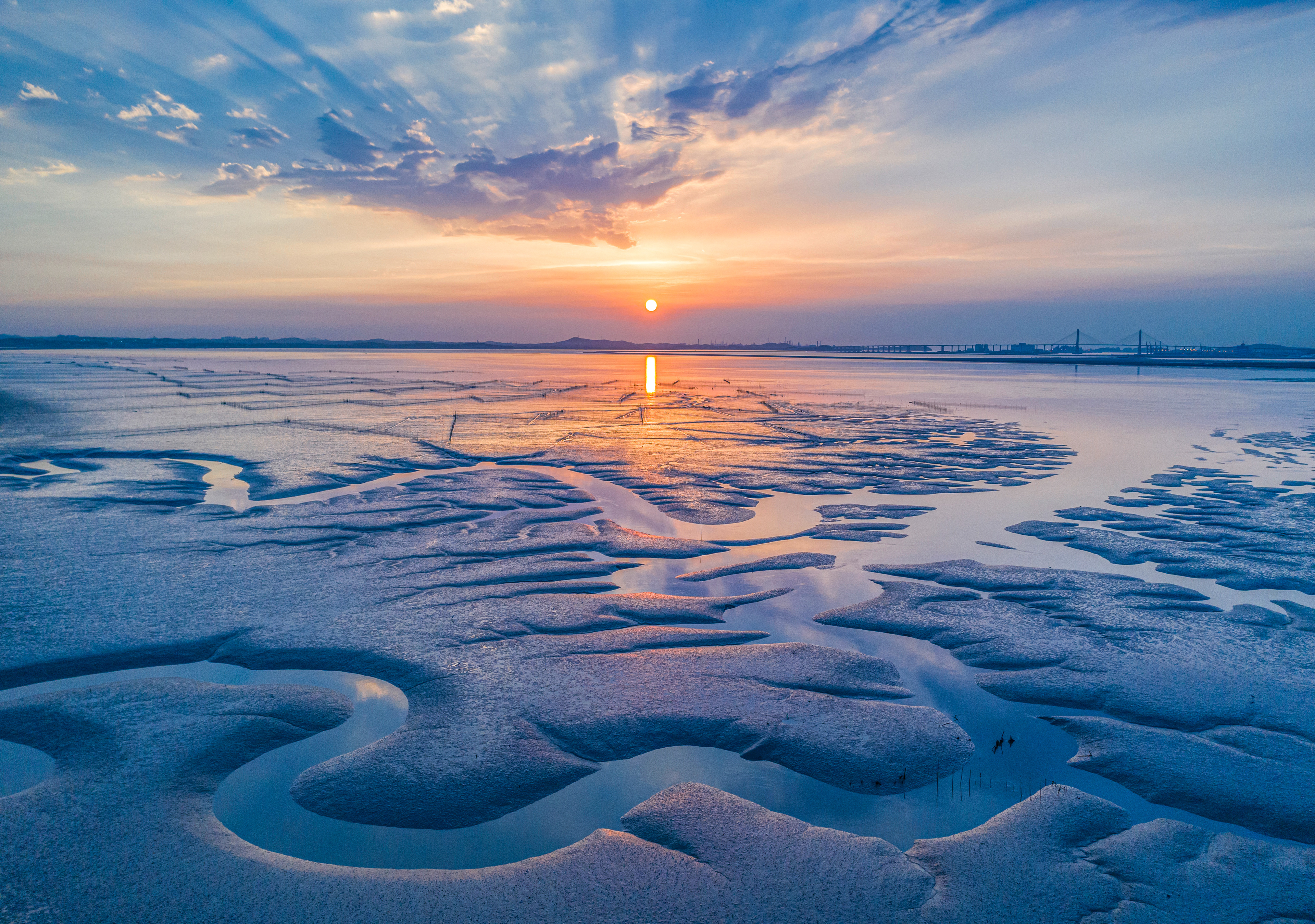
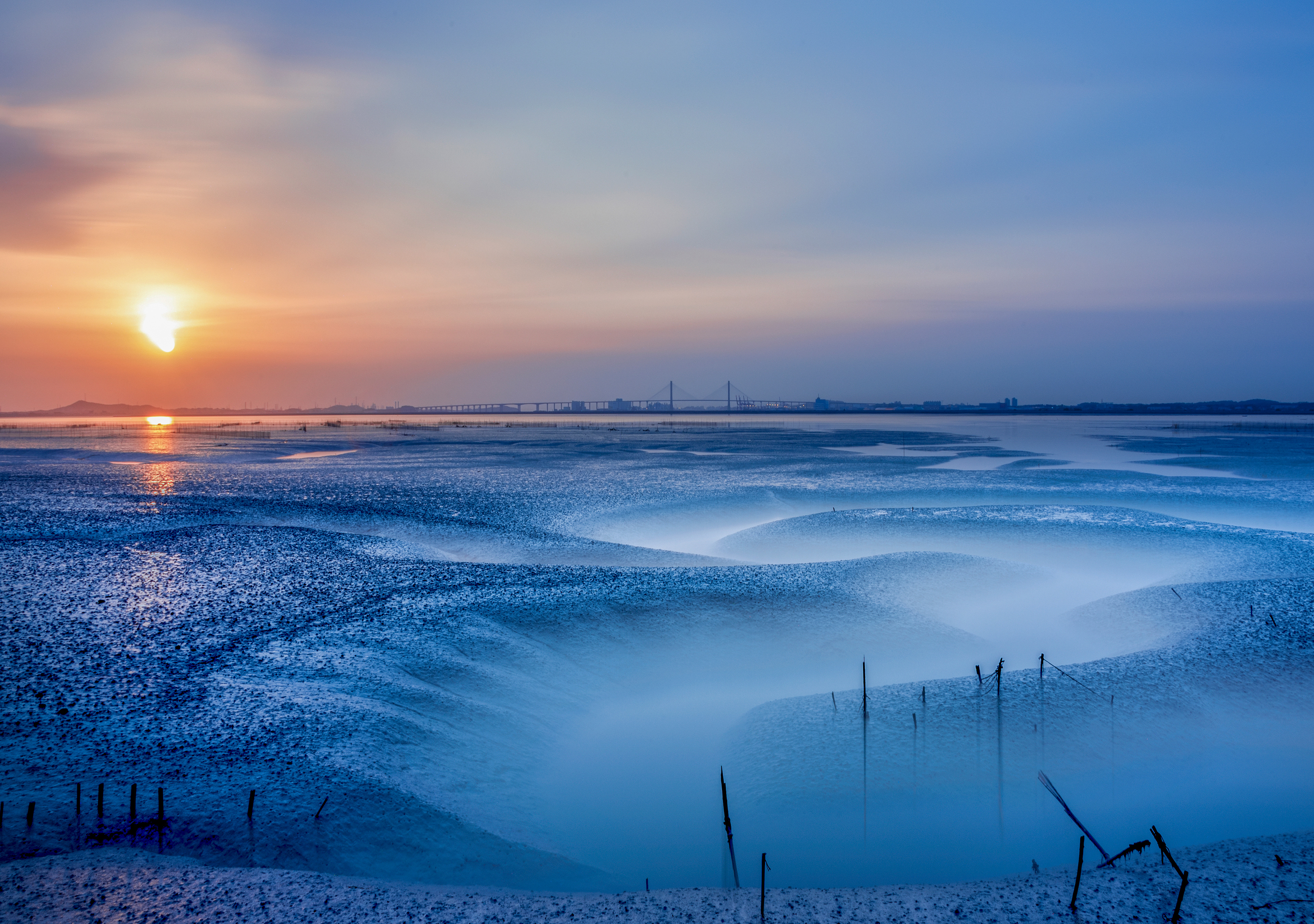
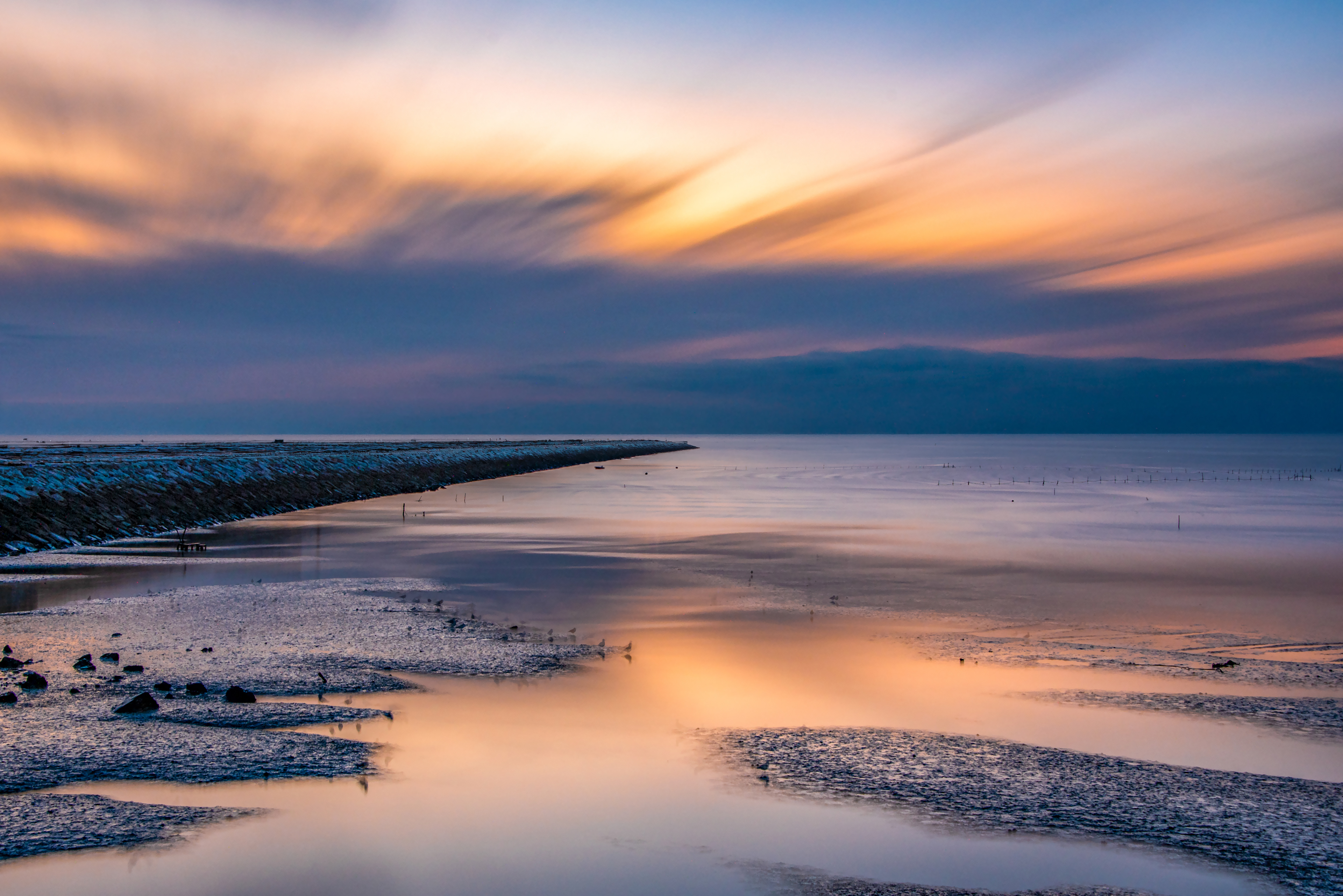
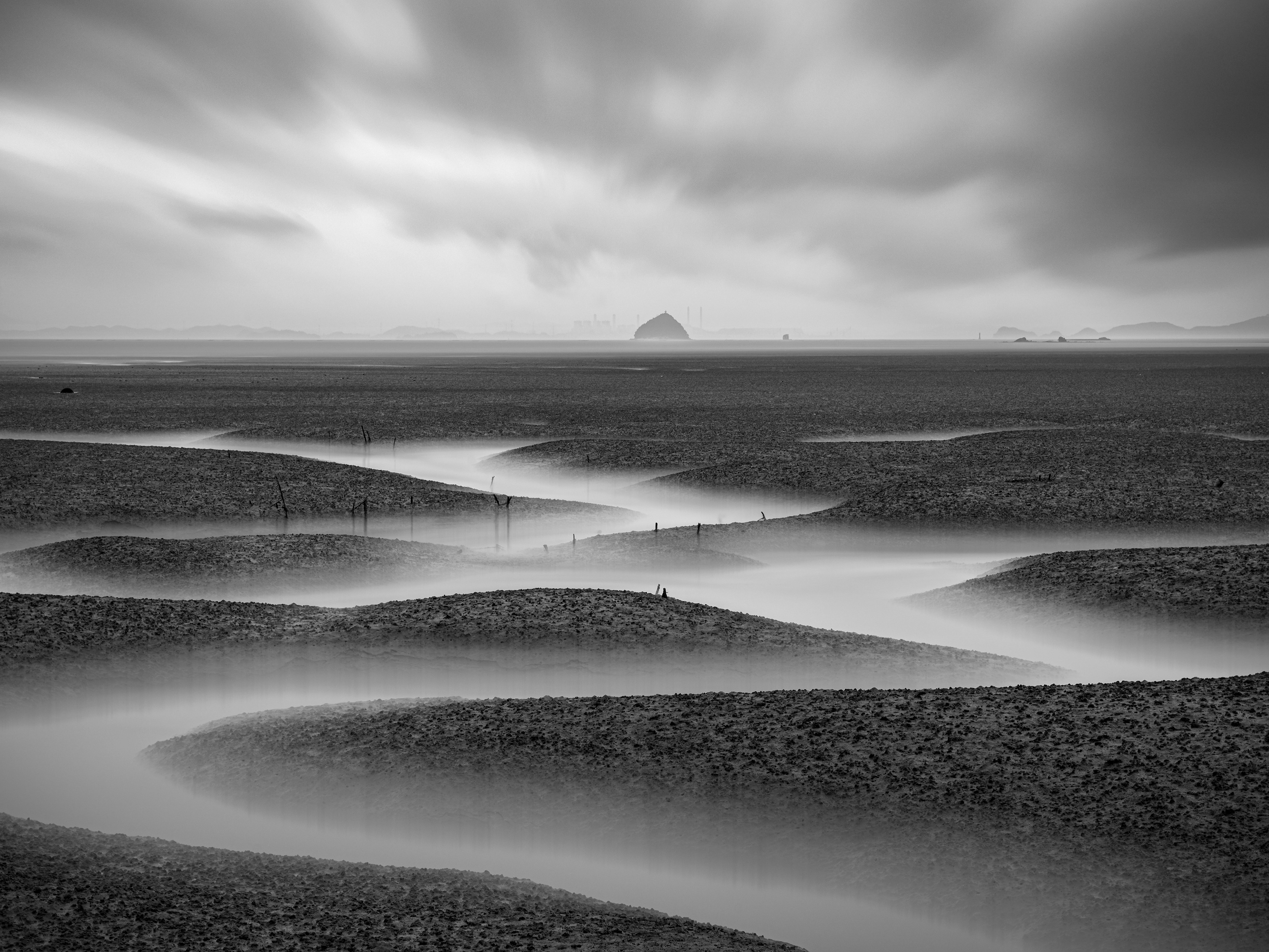
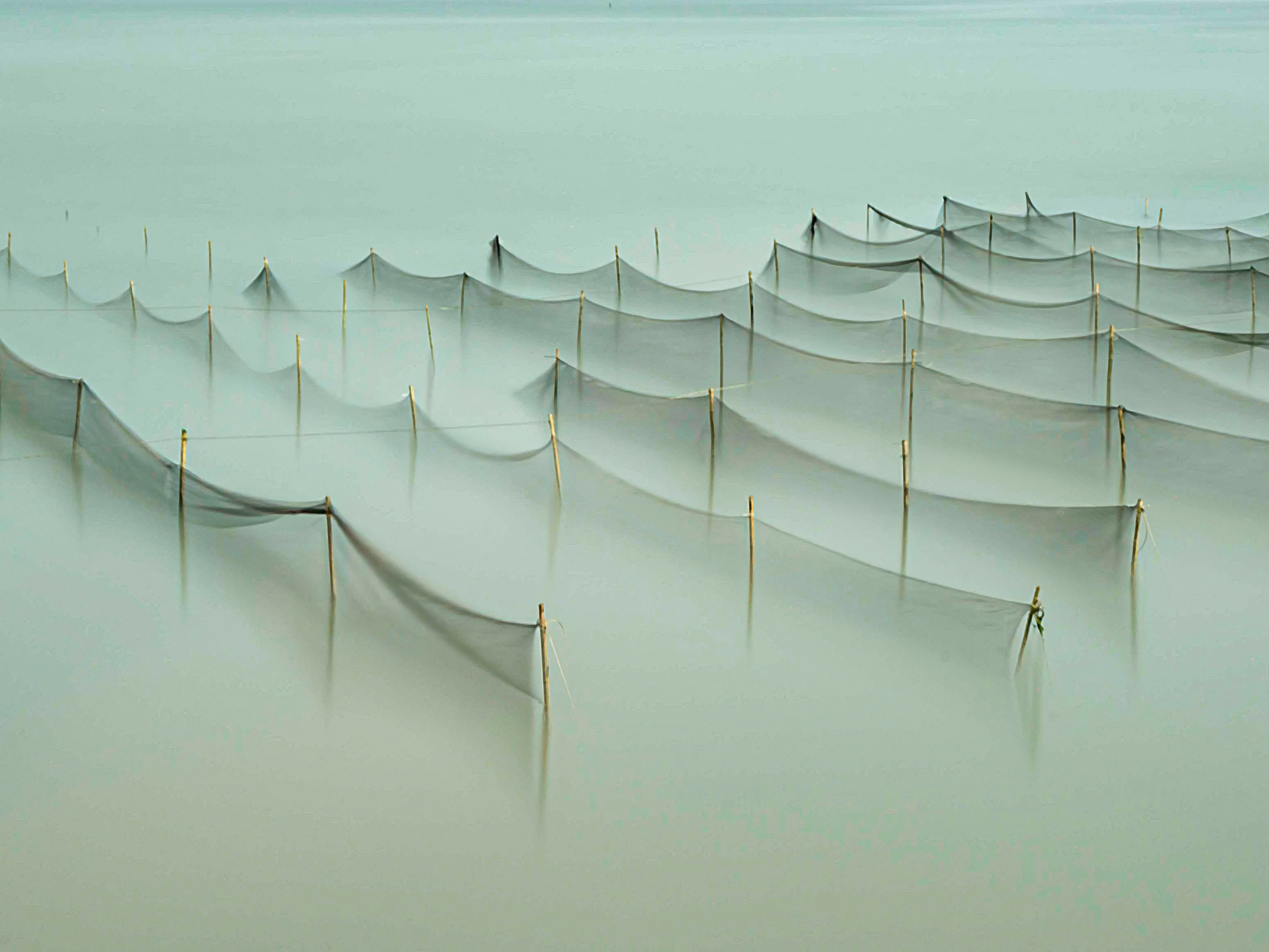
Gaetbol ⓒ (meaning 'tidal flats' in korean)
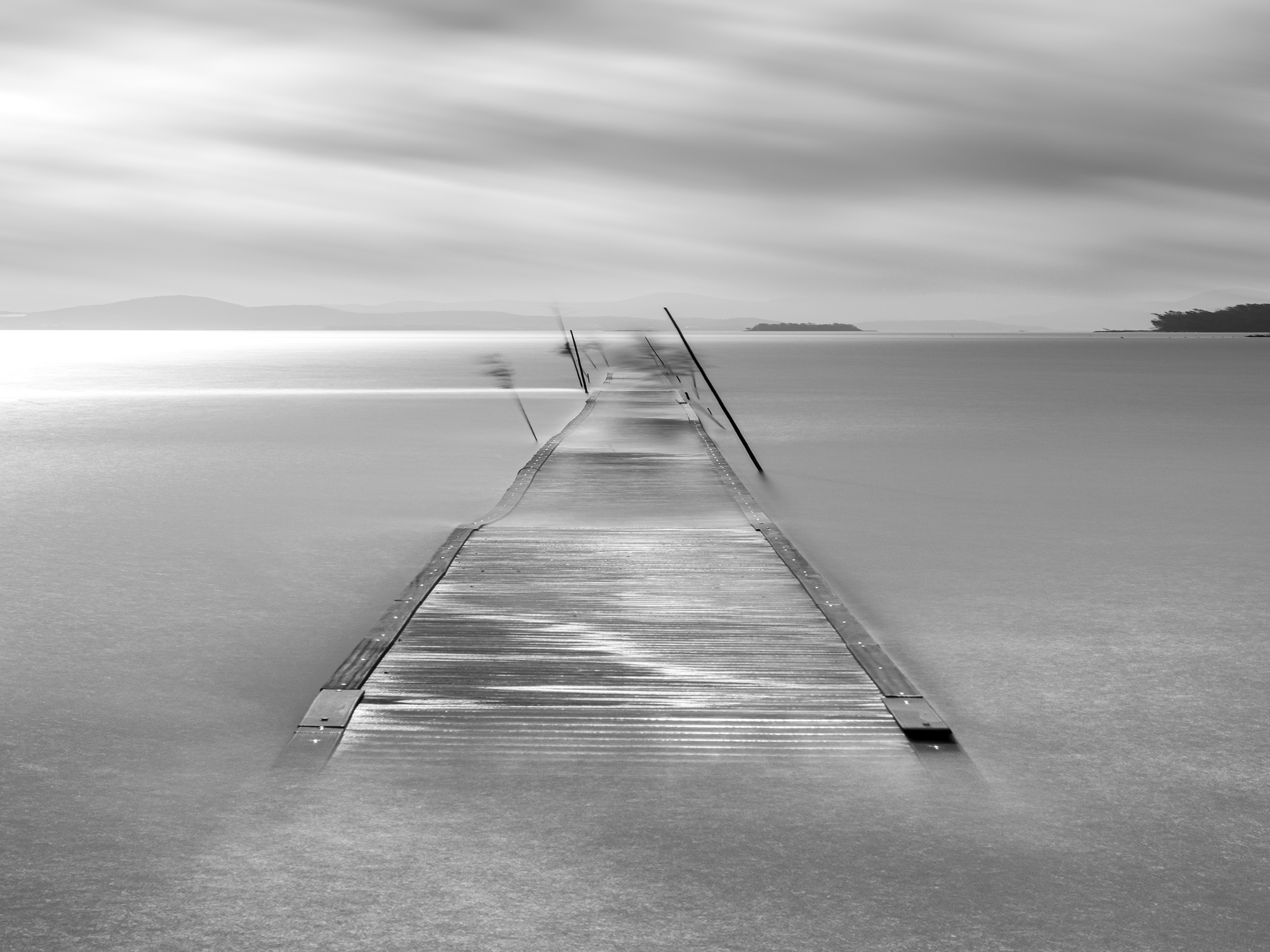
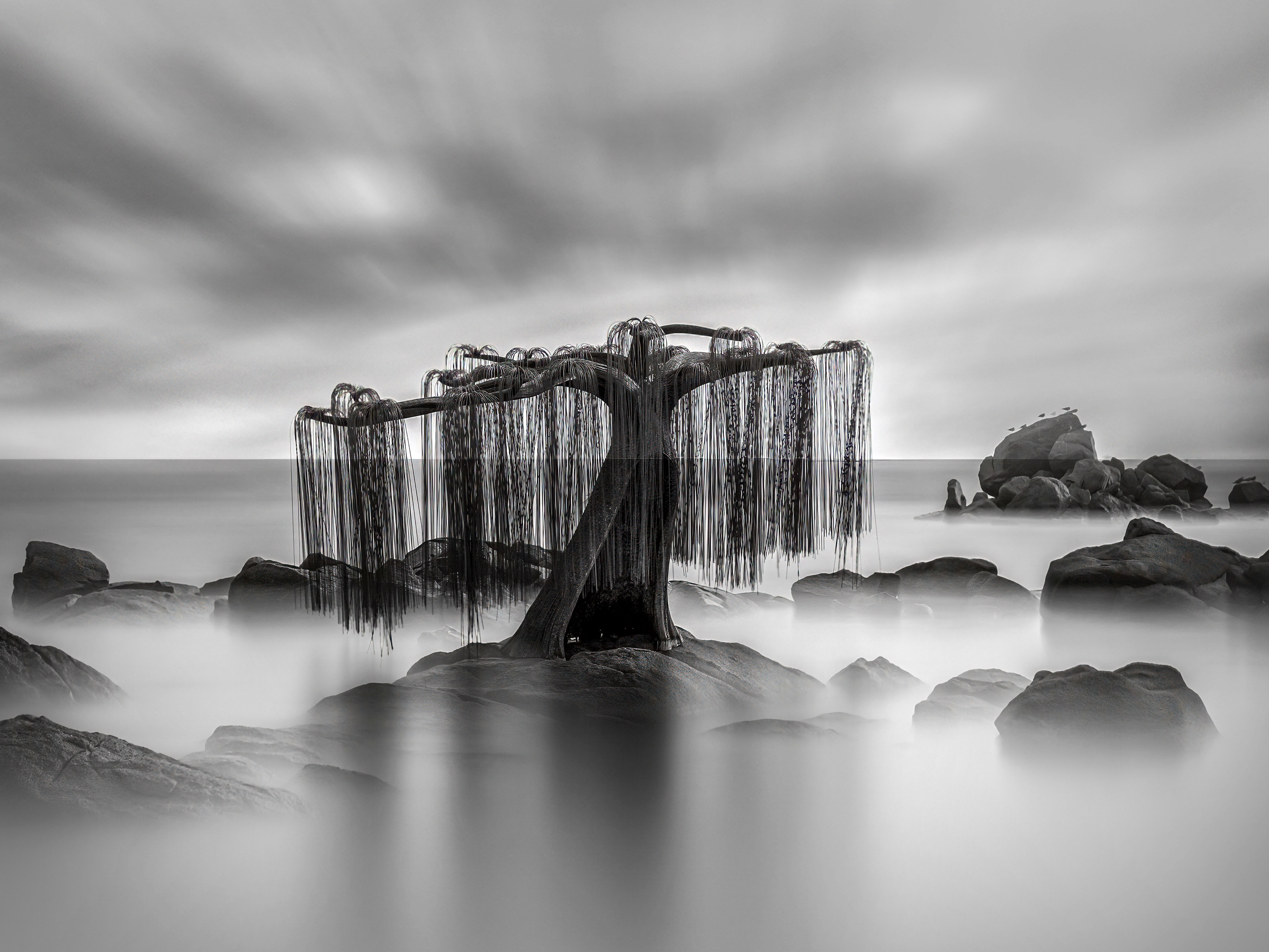
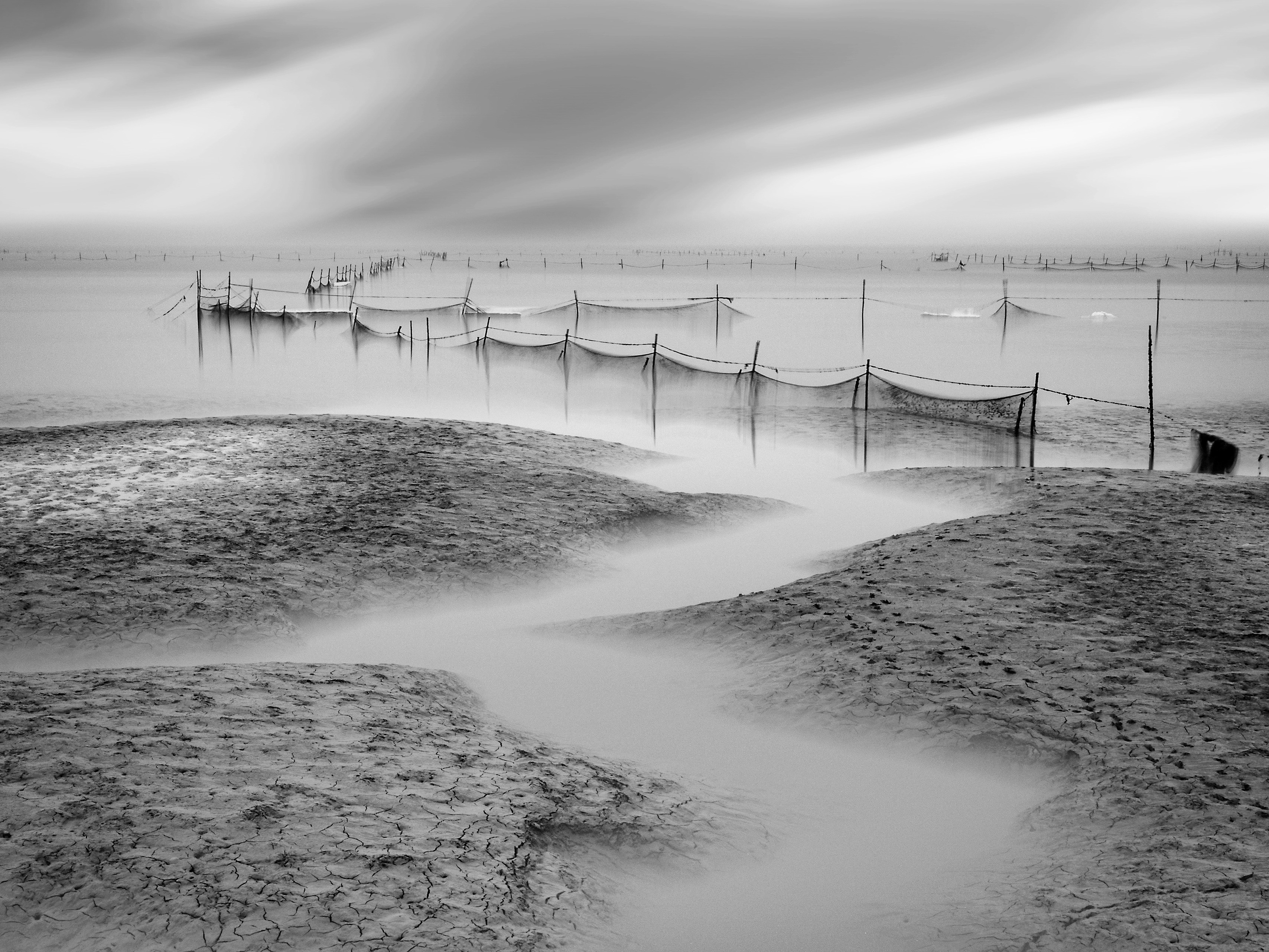
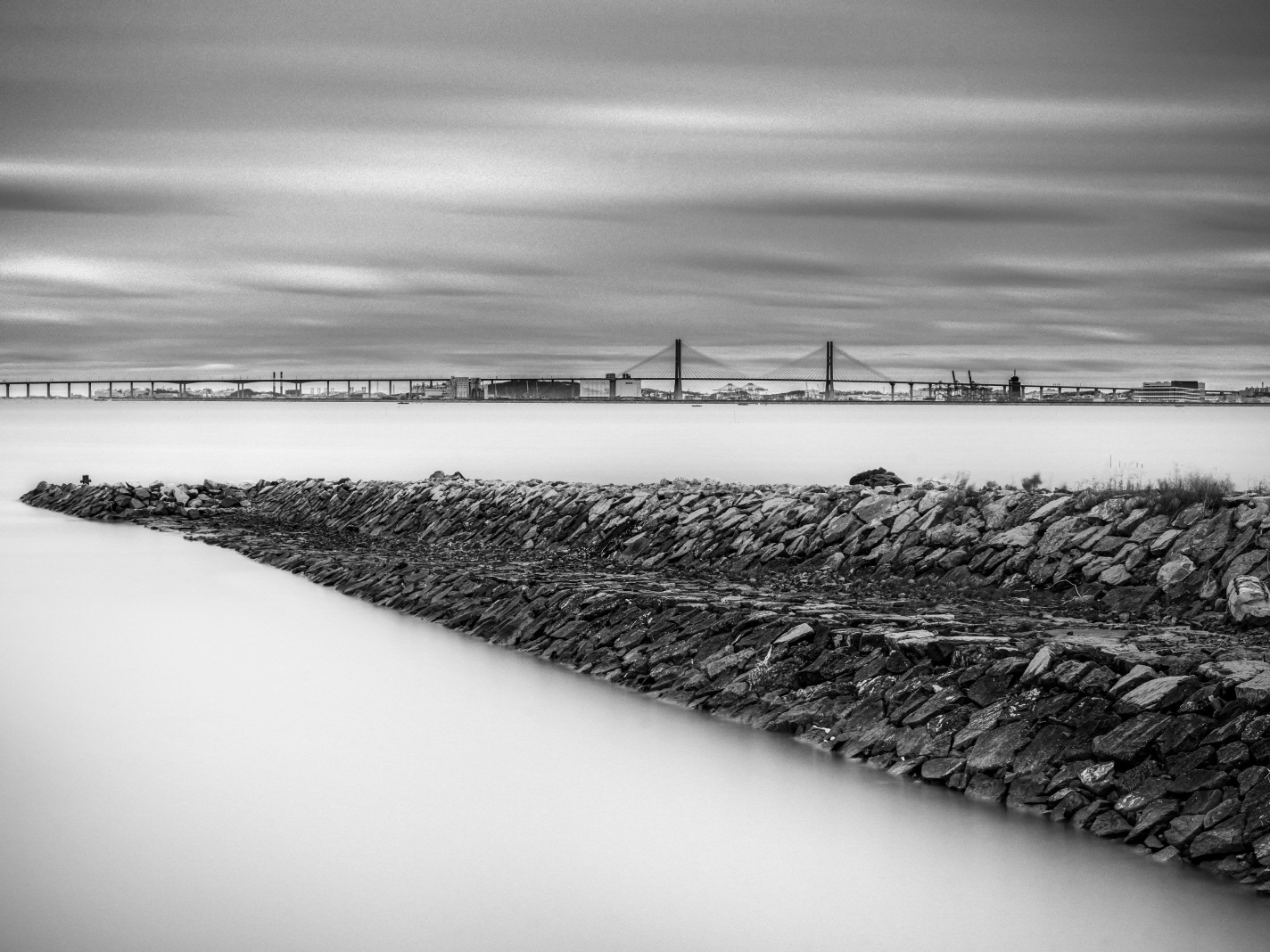
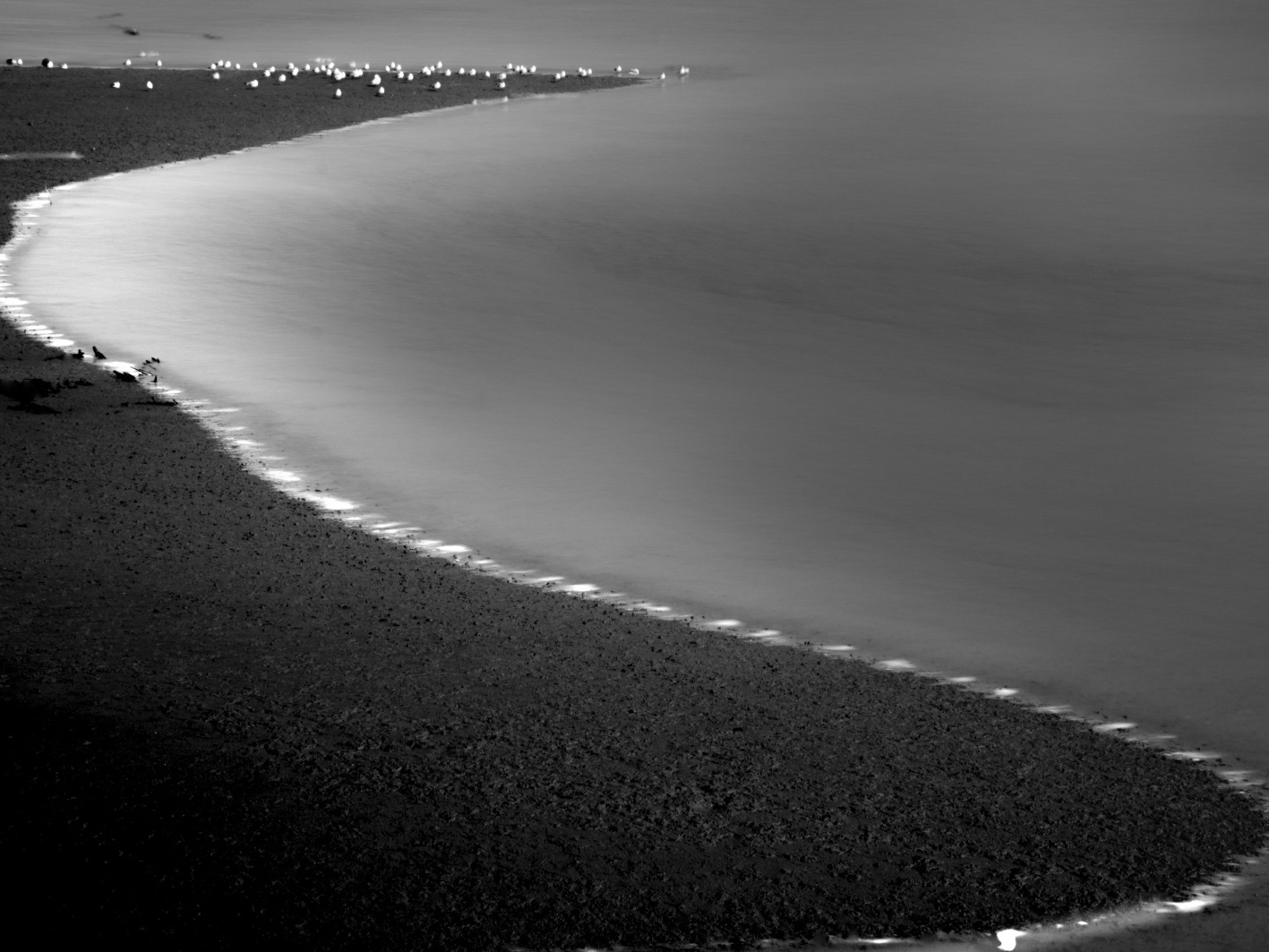
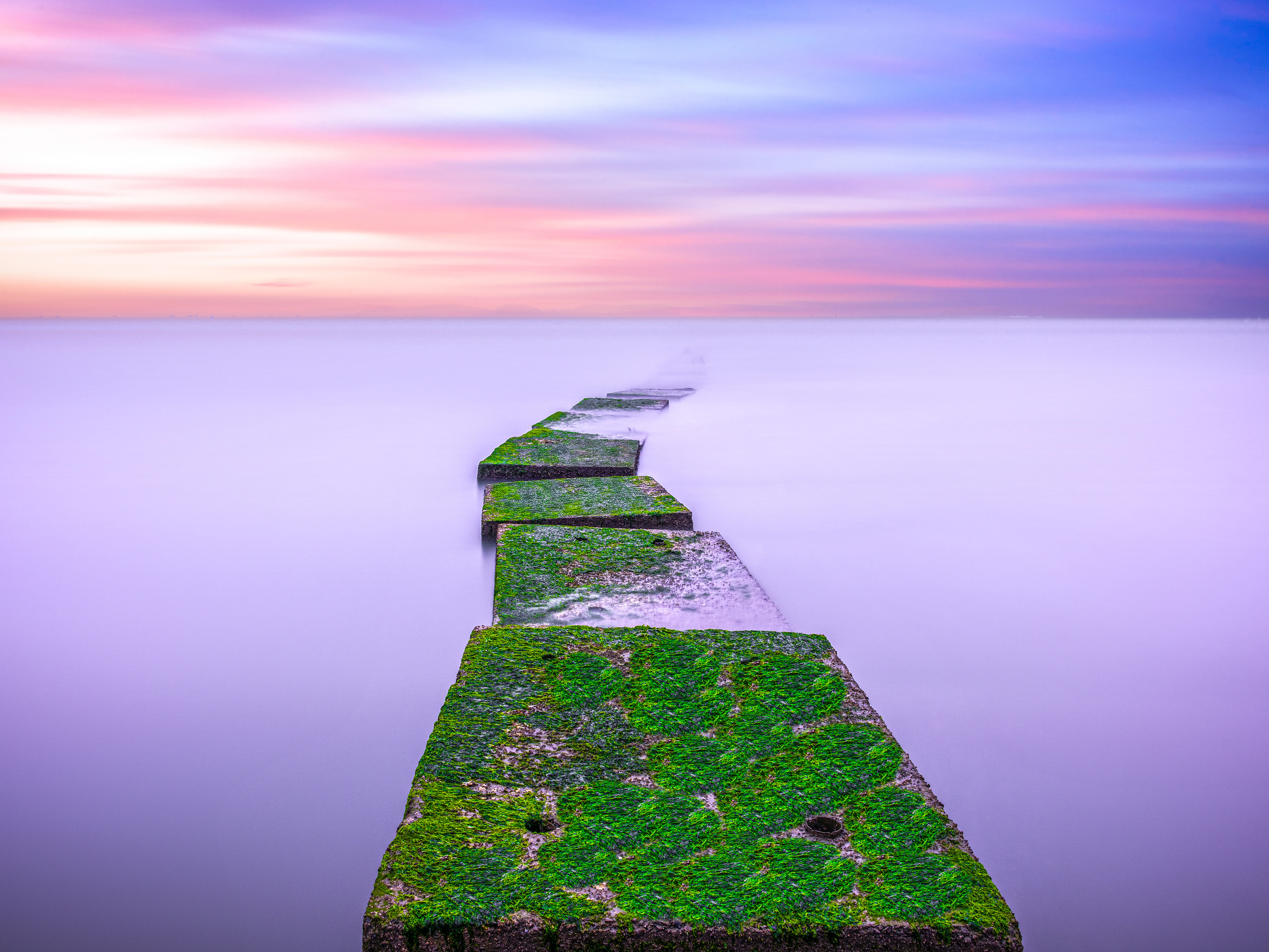
This work starts with the gaze of looking at the traces of time accumulated between the sea and the tidal valley.
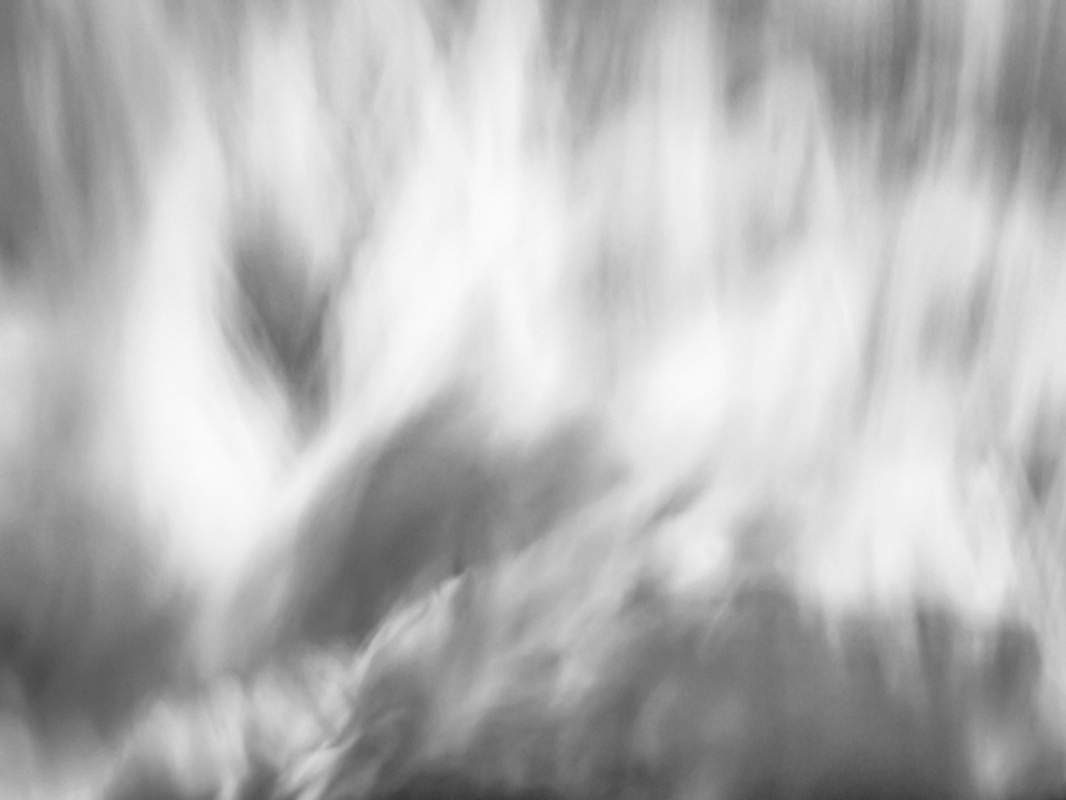
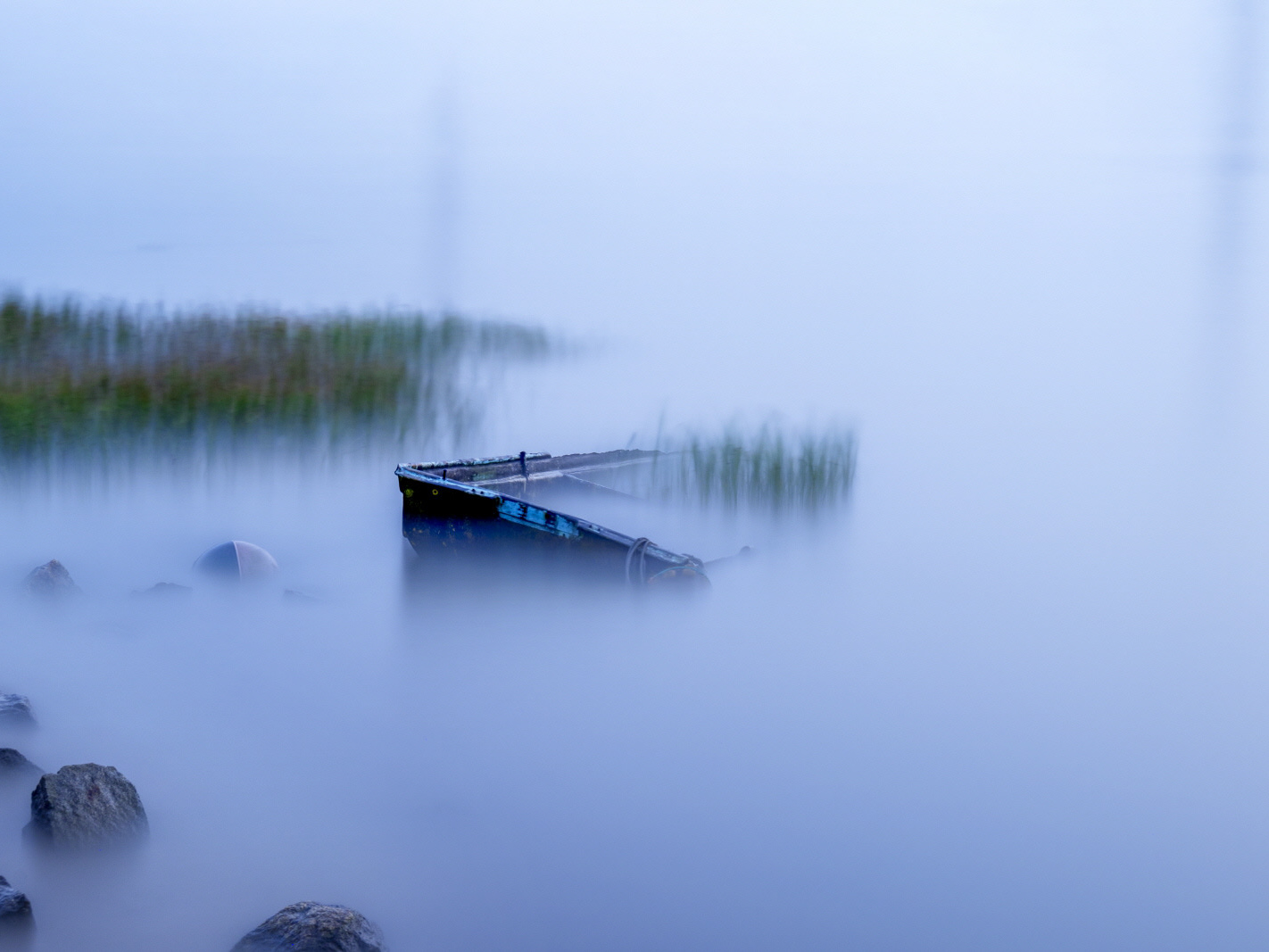
Clouds and waves, waterways and troughs, nets and closed ships are not their respective landscapes,
Disappearance and creation are the repeated results.
The sea is flowing in and out,
There is a pile of stopped time in it.
The water path that seeps into the tidal valley reveals the time
it has been deposited,
Every time the water flows, the trail becomes clear,
When the water stops, the landscape empties itself in silence.
The moment of rest goes beyond visual stillness,
It becomes a point to purify senses and memories.
When the water flows out one by one,
the shape of the tidal valley reappears,
What remains of the place is the place where the scenery has passed and the lingering image of time.
This work pays attention to the very margins and afterimages.
Photos don't hold on to the passage of time,
I think it is a medium that records the remaining marks after it flows.
This work is not "movement" but "movement" through the sea,
Staring at Silence, not Noise,
I tried to capture the weight of time and the memories of the scenery.
갯벌 c
이 작업은 바다와 갯골을 오가며 축적된 시간의 흔적을 바라보는 시선에서 출발한다.
구름과 파도, 물길과 갯골, 그물과 폐선은 각각의 풍경이기보다,
사라짐과 생성이 반복된 결과물이다.
바다는 물이 들어오고 나가며,
그 안에는 멈춰 있는 시간이 켜켜이 쌓여 있다.
갯골로 스며드는 물길은 퇴적된 시간을 드러내고,
물이 흐를 때마다 흔적은 선명해지고,
물길이 멈추면 풍경은 고요 속에서 스스로를 비운다.
그 정지의 순간은 시각적 고요를 넘어,
감각과 기억까지 정화시키는 지점이 된다.
물길이 하나둘 빠져나가면 갯골의 형태는 다시 모습을 드러내고,
그 자리에 남은 것은 풍경이 지나간 자리이자 시간의 여운이다.
이 작업은 바로 그 여백과 잔상에 주목한다.
사진은 흘러가는 시간을 붙잡기보다,
흘러간 뒤에 남은 자국을 기록하는 매체라고 생각한다.
본 작업은 바다를 통해 ‘움직임’이 아닌 ‘머무름’,
‘소음’이 아닌 ‘침묵’을 응시하며,
시간의 무게와 풍경의 기억을 담아내고자 했다.